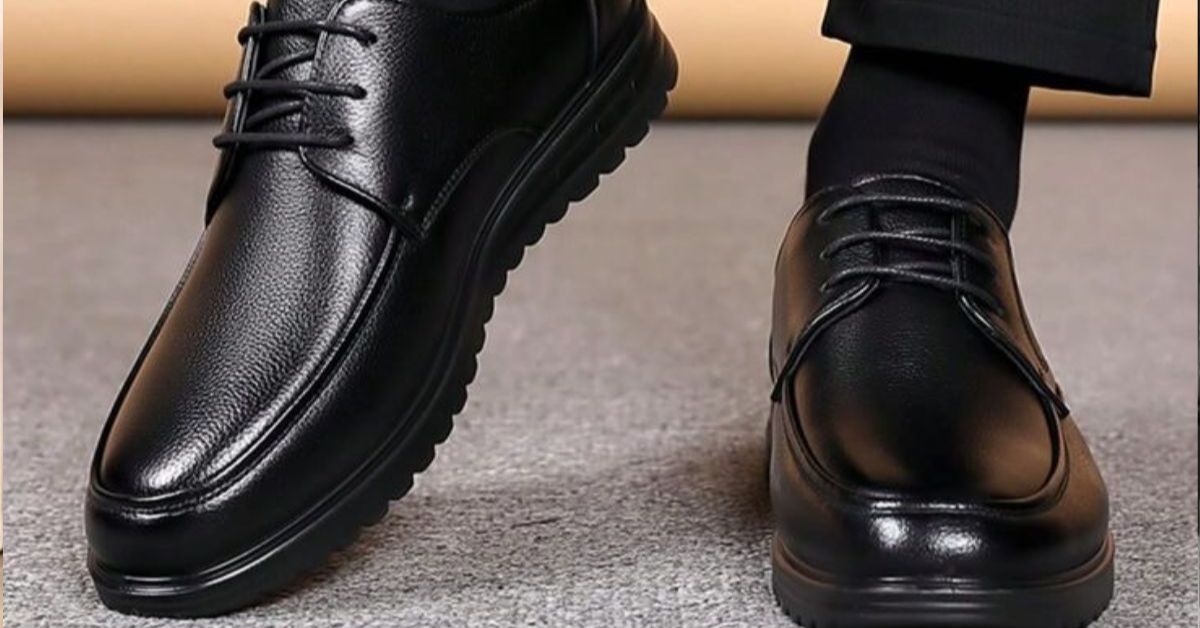
Men’s non-slip shoes are designed to help provide better grip on different surfaces. They can reduce the chance of slipping while walking or working. Many styles also offer soft cushioning and good support for daily comfort.
The right pair can make a big difference when you spend long hours on your feet. You should not have to choose between safety and style. A comfortable pair can help your feet feel better throughout the day.
In this guide, we will explore the best men’s non-slip shoes for everyday comfort. We will look at comfort, grip, fit, support, and useful features. These tips can help you choose a pair that suits your daily needs.
Everyday Comfort Features
Good everyday shoes should feel comfortable from the first step. Look for soft cushioning that supports your feet while walking. A padded insole can also reduce pressure during long hours.
A flexible sole makes walking easier and more natural. Breathable materials help keep your feet cool and dry. A roomy toe area gives your toes enough space to move comfortably.
Good support is also important for daily use. A secure fit keeps your feet stable inside the shoes. These features can make mens non slip shoes more comfortable for work, errands, and everyday activities.
Key Features to Look For
When choosing non-slip shoes, check the sole first. A strong rubber outsole can provide better grip on different surfaces. Look for a tread pattern that helps improve traction while walking.
Comfort is also important for daily wear. Choose shoes with good cushioning and enough arch support. Breathable materials can keep your feet cooler and more comfortable.
A secure fit helps your feet stay stable inside the shoes. Make sure the shoes are not too tight or too loose. Lightweight designs are also useful if you wear them for many hours.
Available next action: Create a downloadable DOCX file here in this chat containing the editable prose above
Best Men’s Non-Slip Shoes for Work
Work shoes should offer a strong grip on different surfaces. A durable rubber sole can help reduce slipping. This is useful in busy workplaces where floors may become wet or oily.
Comfort also matters when you work for many hours. Choose shoes with soft cushioning and good foot support. Breathable materials can help keep your feet fresh during long shifts.
A secure fit can make movement easier and safer. Look for a lightweight design that does not feel heavy. The right pair can provide a good balance of grip, comfort, and everyday durability.
Shoes for Long Work Hours
Shoes for long work hours should feel comfortable throughout the day. Good cushioning can reduce pressure on your feet. A supportive insole can also make long shifts easier.
Choose a lightweight pair that allows natural movement. Breathable materials help reduce heat and moisture. A flexible design can keep your feet comfortable while walking or standing.
A strong non-slip sole is also important for busy workplaces. Look for a secure fit that keeps your feet stable. The right shoes can help you stay comfortable and confident during long hours.
Comfortable Shoe Materials
Breathable mesh is a good choice for everyday shoes. It allows air to move around your feet. This can help reduce heat and moisture during long hours.
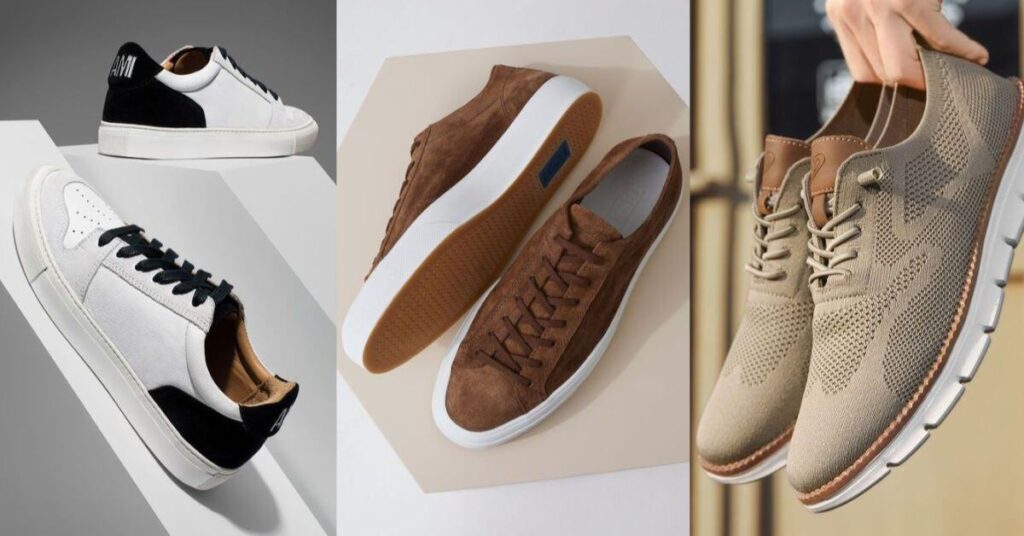
Leather can offer a durable and supportive feel. It can also provide a neat look for work settings. Choose soft leather that allows your feet to move comfortably.
Synthetic materials are often lightweight and easy to clean. They can work well for busy daily routines. A soft inner lining can add extra comfort and reduce rubbing.
Slip-Resistant Sole Types
The sole plays a major role in how well a shoe grips the ground. Rubber soles are a popular choice because they can provide good traction. Deep tread patterns can also help move water away from the contact area.
Different sole designs work better for different surfaces. Here are some common options to consider when choosing men’s non-slip shoes:
| Sole Type | Main Benefit | Best For |
| Rubber Sole | Strong everyday grip | Work and daily wear |
| Treaded Sole | Better traction | Wet or uneven surfaces |
| Oil-Resistant Sole | Helps maintain grip around oil | Kitchens and industrial areas |
| Lug Sole | Deep and strong tread | Outdoor and rough surfaces |
| EVA Sole | Lightweight and flexible | Casual everyday use |
| Flat Grip Sole | Smooth and stable feel | Indoor work areas |
A good sole should match your daily needs and workplace conditions. When possible, check the shoe’s grip rating and tread design. A suitable sole can improve stability without making the shoes feel heavy.
Shoes for Different Jobs
Different jobs need different types of work shoes. Kitchen workers may need shoes with strong grip and oil-resistant soles. These features can help provide better stability on wet or greasy floors.
Healthcare and retail workers often stand or walk for long hours. Lightweight shoes with good cushioning can provide extra comfort. Breathable materials can also help keep feet cool during long shifts.
Construction and industrial jobs may require stronger protection. Look for durable shoes with supportive soles and protective features when needed. Choose a pair based on your workplace, daily tasks, and safety requirements.
Finding the Right Fit
The right fit can make your shoes much more comfortable. Your toes should have enough room to move freely. The shoes should feel secure without squeezing your feet.
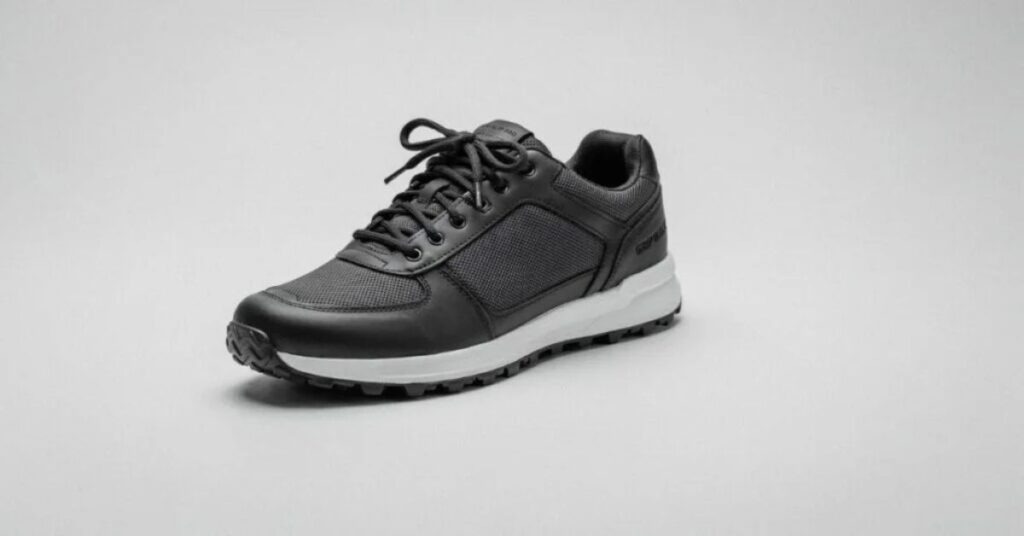
Try shoes at the end of the day when your feet may be slightly larger. Wear the socks you normally use with them. Walk around and check for any tight spots or rubbing.
Pay attention to the heel and arch as well. Your heel should stay in place while you walk. A good fit can improve comfort and stability during long hours.
Casual Everyday Styles
Casual shoes can be both comfortable and stylish. Simple sneakers are a popular choice for daily outfits. Choose a pair with good cushioning and a reliable grip.
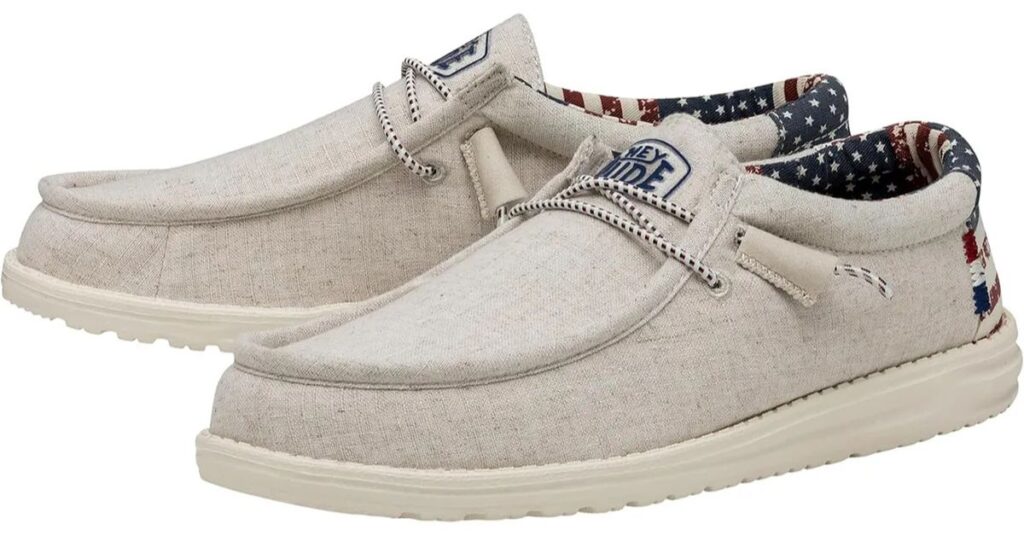
You can wear them with jeans, chinos, or casual trousers. Neutral colors like black, white, and gray are easy to match. Clean designs can give your outfit a neat and relaxed look.
Lightweight shoes are useful for walking and everyday activities. Look for breathable materials if you wear them for many hours. A flexible sole can also make each step feel more natural.
Cleaning and Care Tips
Clean your shoes regularly to remove dirt and dust. Use a soft brush or damp cloth for most surfaces. Avoid harsh cleaners that may damage the material.
Let your shoes dry naturally after cleaning. Keep them away from direct heat, such as heaters or strong sunlight. This can help protect the shape and material.
Check the soles often for dirt and wear. Remove small stones or debris from the tread to maintain good grip. Replace the shoes when the sole becomes badly worn or loses its traction.
Common Buying Mistakes
One common mistake is choosing shoes based only on appearance. A stylish pair may not provide enough grip or support. Always check the sole, cushioning, and overall construction before buying.
Another mistake is choosing the wrong size. Shoes that are too tight can cause discomfort during long hours. Shoes that are too loose may make your feet less stable while walking.
Some people also ignore the type of surface they use every day. A shoe made for dry floors may not suit wet or oily areas. Consider your workplace, daily activities, and comfort needs before making a choice.
Tips for Better Grip
Keep the soles clean to maintain good traction. Dirt and mud can cover the tread and reduce grip. Clean the bottom of your shoes regularly with a brush.
Choose shoes with a tread pattern that suits your daily surfaces. Deeper patterns can help on wet or uneven floors. For kitchens and similar workplaces, look for soles designed for oily or slippery surfaces.
Check the soles for signs of wear. Worn-out tread may provide less traction over time. Replace shoes when the sole becomes smooth, cracked, or badly damaged.
When to Replace Your Shoes
Check your shoes regularly for signs of wear. A smooth or damaged sole may provide less grip. Cracks and deep cuts can also affect the shoe’s performance.
Pay attention to changes in comfort and support. If the cushioning feels flat or your feet hurt after wearing the shoes, they may need replacing. Loose stitching or damaged material is another warning sign.
Conclusion
Do not wait until the shoes are badly damaged. Replace them when the sole loses its tread or the shoes no longer feel stable. Fresh, supportive shoes can make everyday walking more comfortable and secure.
The right shoes can make everyday walking more comfortable. Good grip, soft cushioning, and proper support are important. Choose a pair that fits well and suits your daily needs.
Take care of your shoes to keep them in good condition. Clean the soles and check for signs of wear. When the grip or support starts to fade, it may be time for a new pair.
FAQs
1. What are men’s non-slip shoes?
They are shoes designed with soles that provide better traction on slippery surfaces.
2. Are non-slip shoes good for long work hours?
Yes. Choose a pair with good cushioning, support, and a comfortable fit for long shifts.
3. What sole is best for non-slip shoes?
Rubber soles with a suitable tread pattern can provide good grip on many everyday surfaces.
4. How can I maintain the grip of my shoes?
Keep the soles clean and check the tread regularly. Replace shoes when the sole becomes smooth or badly worn.
5. How should work shoes fit?
They should feel secure without being too tight. Your toes should have enough room to move comfortably.
No Responses